
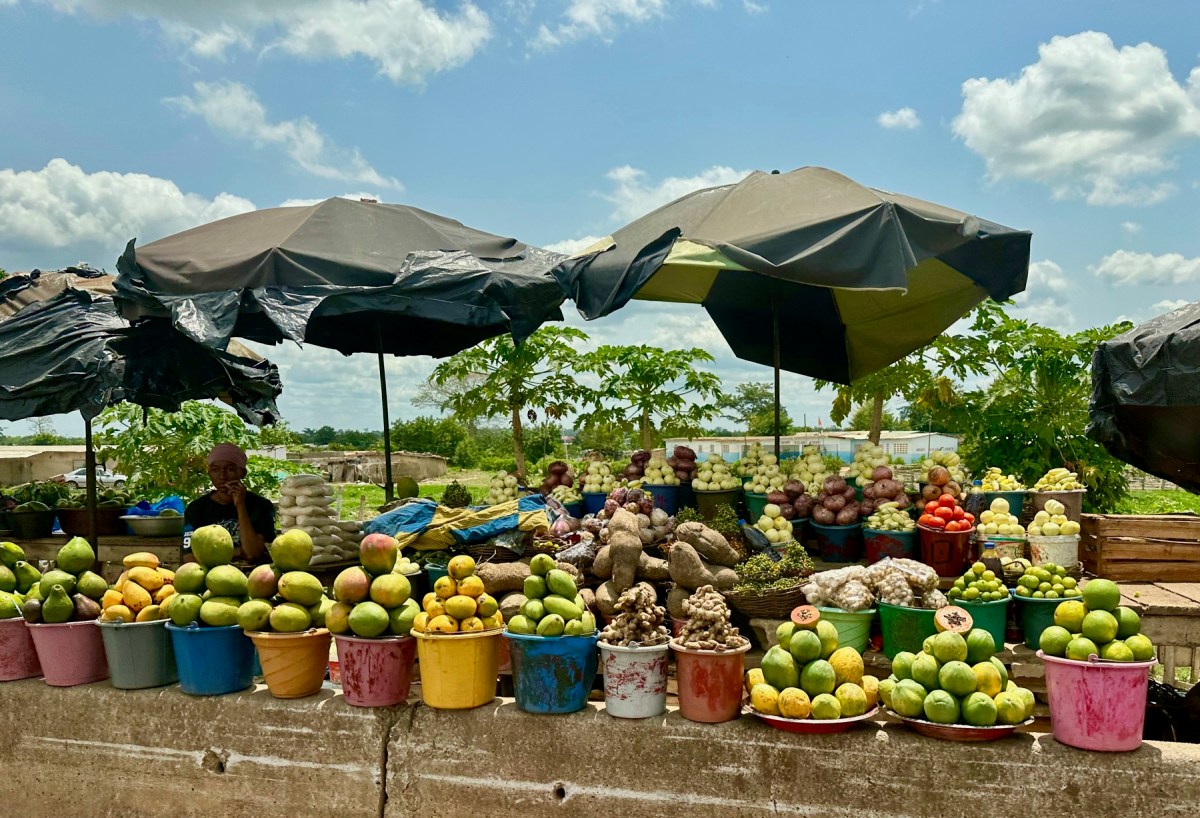
I’m back in West Africa, a region my heart loves almost more than any other in the world. My global wanderer era began here as a Peace Corps Volunteer, posted for two years in a small village in the middle of Benin. The Peace Corps experience of immersion in culture, language, and living was one of the hardest and most rewarding experiences of my life. In the time since then, I have spent additional significant time in West Africa and somehow always keep coming back to this region, though it’s been quite awhile since my last visit.
First stop on this trip: Cote D’Ivoire. One of the few countries in this region I’ve never been to, and was honestly a little anxious about. I haven’t spoken French in awhile, would it come back to me sufficiently? I don’t know this particular country, cultural nuances, expectations, or particular safety issues, would that be a problem? Would I feel as comfortable here as have felt elsewhere?
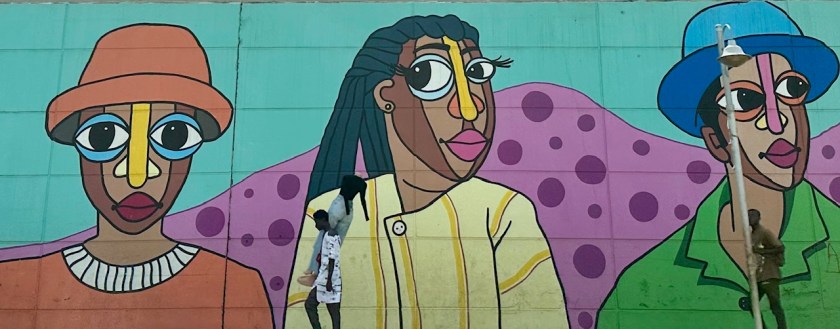
I need not have worried. The terre rouge, the bright fabrics, the warm kindness and humid air and French greetings welcomed me like an old friend.
The purpose of my trip was to, very simply, understand what is going on with our site here. NeuroKids has supported programming here for about two years, but have struggled a bit with communication, language, collaboration, and understanding of context. I came in with some preconceived ideas of what I would find, and based on what I knew about the program, I honestly wasn’t even really sure we should be continuing it. So, my primary objective was to learn and better understand the people, context, and situation on the ground, and determine how we can best support (or not) the continuation of a successful program here.

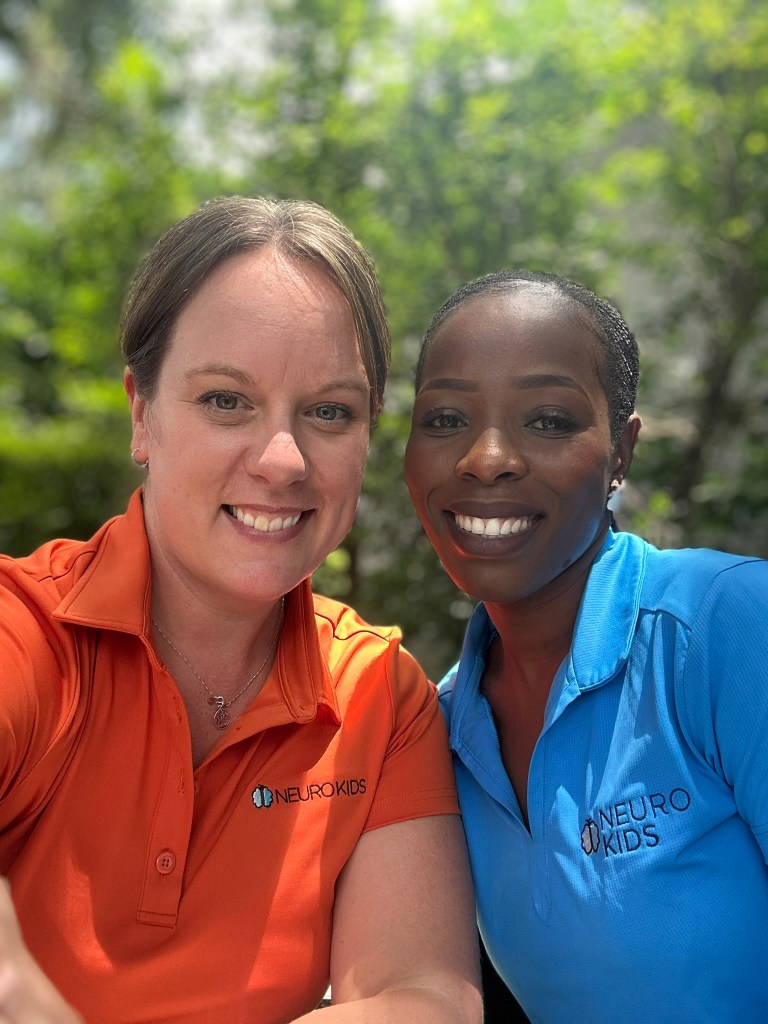
The hospital NeuroKids has partnered with is in Bouake, in the middle of the country, about a five-hour drive north from Abidjan, which is the largest city and international airport on the coast. The ride was uneventful, the road was mostly smooth, surrounded by lush greenery and palm oil plantations occasionally pierced by a towering baobab tree. My hosts greeted me enthusiastically upon my arrival at the University Hospital of Bouake, and as we chatted about their work, the hospital, the processes and supplies and patients and the expansive story behind the numbers, my entire perspective shifted from the communication issues to feelings of awe at the dedication and commitment of the team even through challenging circumstances.
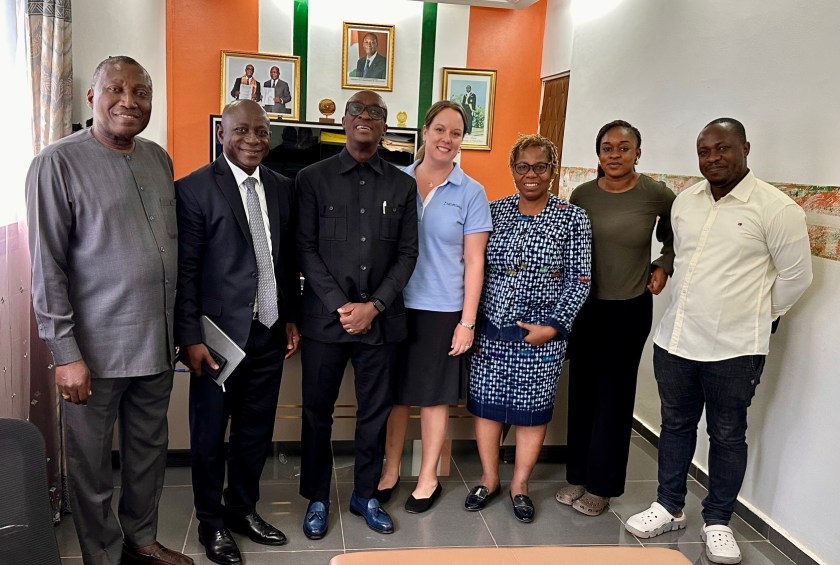
One surgical resident is currently in rotation in an entirely different unit, but after putting in her working hours there, she’ll come over to the neurosurgical unit to support NeuroKids work and data collection, just because she’s so passionate about neurosurgery and the kids receiving care. Another surgeon spends literally all his days off raising support from generous organizations, donors, and societies, to ensure every child that needs hydrocephalus treatment can get it even if they can’t afford it. You see, in the public hospital system, surgery is free, but the patient still must pay for supplies and medication, and this can be prohibitively expensive for a huge part of the population. Thanks to this surgeon working hard to promote awareness, many children who wouldn’t be able to access the surgery otherwise are granted the hope of a long, healthy life. Surgeries like this are held during ‘camps’ where the neurosurgical team, along with nurses and other necessary providers, volunteer to care for patients while still managing their ‘regular’ workloads. It really is an incredible show of unified support for the patients and their families.
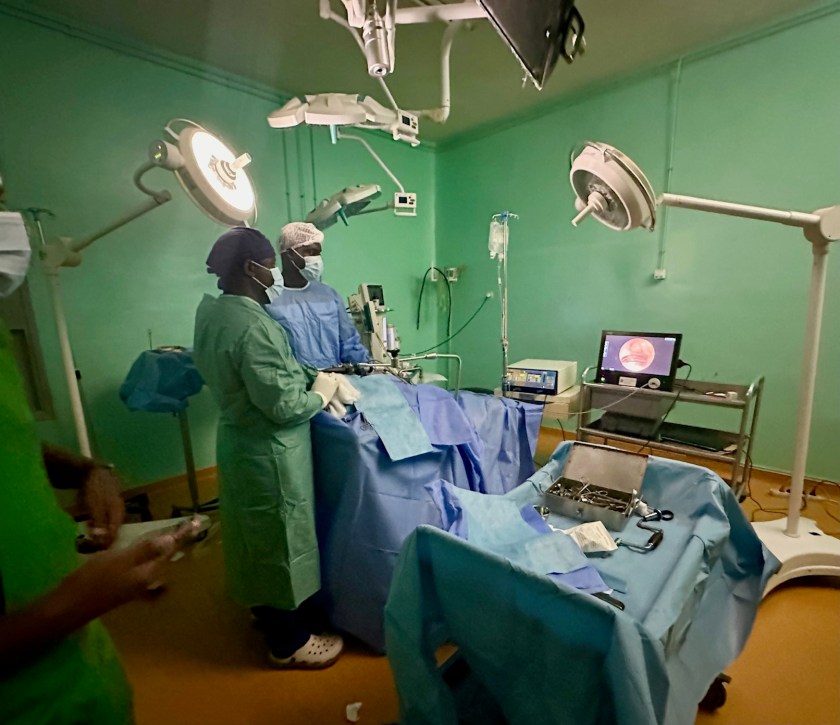
Another special person I met was Angelique*, a two-year-old girl with an unusually large head for her tiny body, the result of untreated hydrocephalus. Too much fluid in the brain forced the head to grow to accommodate; if treated while the baby is still small and the skull bones haven’t fused yet, oftentimes the body will catch up to the head and the child will appear normal, but Angelique’s mother didn’t have the means to travel with her across the country and see a specialist until recently. I had the privilege of watching the surgical team in action performing an endoscopic third ventriculostomy, or ETV, which will help the excess fluid to drain away and relieve the pressure in Angelique’s brain without needing to depend on a shunt. A shunt is a tube inserted in the brain that drains the fluid, and it is widely used around the world but can lead to a lot of potential complications requiring additional surgery. Angelique’s mother was scared but hopeful, and thrilled when the team was able to tell her the surgery went very well. The next day Angelique was alert and eating, which was a huge milestone, as the pressure in her brain had made it difficult for her to keep food down. It was such an honor to meet Angelique and her mother, and to know her child has the opportunity now for a much longer, fuller life because of the incredible skill and dedication of the surgical team in Bouake and the provision of necessary tools thanks to NeuroKids.
One of the things I love about this job I get to do is I often have to manage unexpected challenges, to a varying level of success. This time? I was handed a computer that NeuroKids had provided to the team a few years ago but it had become so slow it was basically unusable. We must collect data to really know if our work is successful, so a computer is necessary to be able to submit surgical information to NeuroKids. It took a lot of time and a few pleas for support from my tech-savvy husband back home, but I got it working again and I am still proud I was able to do it!! I’m certainly never bored on trips like this, that’s for sure!

As I’m writing this, I’m watching Cote D’Ivoire fade into the distance out my window as I jet to the next destination on my itinerary. I’m just so grateful I get to do this. I’m grateful I have gotten to spend so much of my life in West Africa that it feels like home. I’m grateful I speak French and the cobwebs in the language center of my brain were quickly brushed out, ensuring mutual understanding and trust. I’m grateful the team has become not only people I work with across the globe but friends, who I now feel I have a much better ability to support so they can continue this important, needed work that can change and save lives. We talked about all the ways we can work well together moving forward, and I take with me a long list of action items we can pursue to continue to expand and offer more and more kids with hydrocephalus and spina bifida hope and growth and longer, healthier lives in Cote D’Ivoire. May it be so.
*Name changed



 Let us begin