
(Written February 6, 2025)
Blue skies and sunshine greeted me upon landing in Zambia, a welcome change from the rain in Kenya. Lusaka, the capital of Zambia, is the home to University Teaching Hospital (UTH), the largest hospital in the country and home to one of NeuroKids’ newer programs. The program here has been regularly referred to as one of our high performing programs, with a large patient volume and a coordinator who was collecting a ton of good data. This visit was for me to learn and determine both how we can replicate these successes in other sites as well as explore opportunities for expanding our patient and family care programs in the future. I was expecting to learn a lot about the processes, systems, and practices used in the whole patient surgery and care continuum; what I didn’t expect was to be so touched by the heart and actions of the staff and the patients.
~~
The Zambia program began just over six months ago and the neurosurgical unit at UTH serves patients from all over Zambia and into surrounding nations. I was overwhelmed by the physical size of the hospital as I was led through the maze of buildings filled not only with patients but nursing students, medical students, residents, and all the other staff critical to support such a large healthcare and teaching institution. My host assured me everyone gets lost in the first few visits.
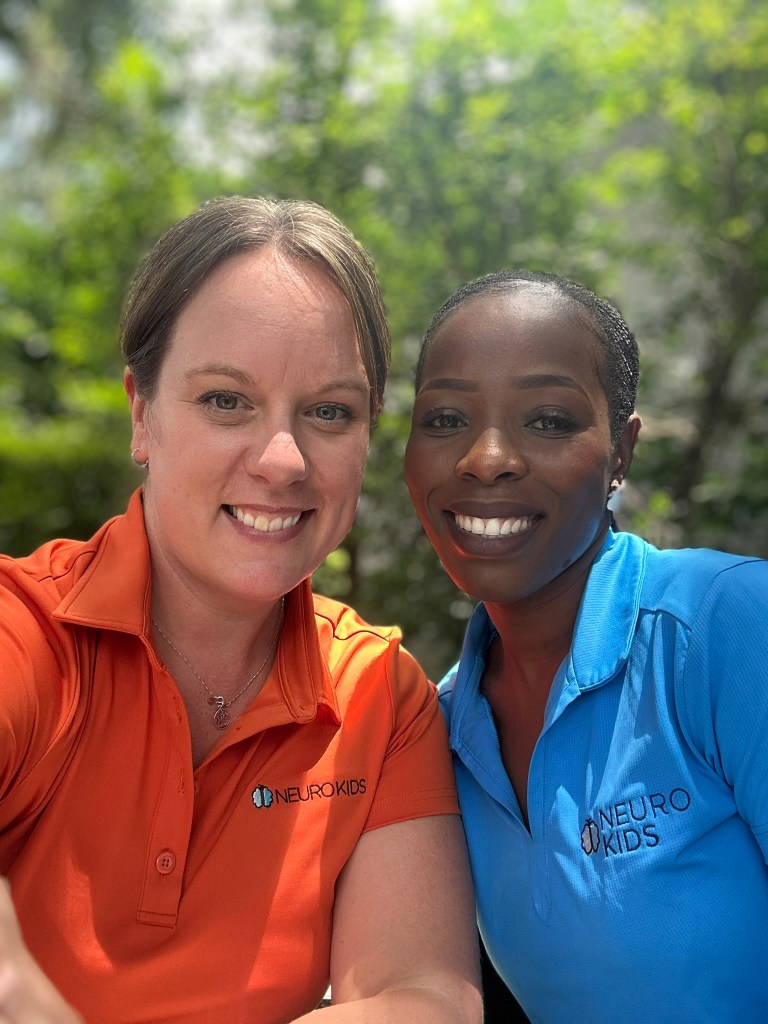
I had three days with our coordinator there, doing a lot of expected things like collecting patient data and making follow-up calls to patients who had surgery weeks or months ago. She did all of these things with excellence, of course, but I also got to witness her extraordinary commitment to patients and families as she went above and beyond these expectations.
For example, a four-day-old infant who had been born with a myelomeningocele, a type of spina bifida where the spinal cord didn’t grow correctly and ended up in a bubble on her lower back. She was tiny but healthy, and was waiting to be evaluated by the surgical team to close the defect on her back as well as be evaluated for hydrocephalus (too much fluid in the brain), which often occurs with this type of spina bifida. The baby was fussy and not sleeping well, so our coordinator gently asked the mother a few questions. She was just 18 years old, this was her first baby, and she was alone in the hospital, where bedside nursing is not what it is in the United States, and family members are expected to provide care like food and bathing. This young mother was afraid to bathe her child; she didn’t know how, her baby had this big spinal malformation that was scary, and mom didn’t have a basin to hold the water. Our coordinator went down the hallway in the ward and explained the situation to an older mother who had cared for many babies and grandbabies. She was very happy to help this young mother, gathered the necessary materials, and showed her how to bathe the baby safely. The baby fell right to sleep afterwards. Our coordinator, who is a qualified nurse, also took some time to check the mothers’ cesarean wound and give her guidance on how to manage pain and to keep it clean. What a gift to offer this young mother, support and care in what I am sure was a scary, exhausting time.

A bit later down the hall, we chatted with two young moms whose babies were referred for hydrocephalus. They were scared and had lots of questions, as they had only just been admitted and hadn’t yet seen the doctor. What was wrong with their children? How would this affect their lives? Were they really cursed like so many people believe? Our coordinator quickly walked down the hallway a bit further and asked an 8 year old boy she knew named Daniel* to come down and speak to these scared moms. Daniel had a shunt, the most common treatment for hydrocephalus, that had been inserted when he was an infant and drained the extra fluid in his brain down into his abdominal cavity. He explained that he can’t carry water on his head or play aggressive sports in the field behind his school, but he helps around the house in other ways, is a good student, and hopes to become a doctor one day. The mothers were visibly relieved and grateful.
It was in these conversations and throughout my time in the wards that I saw the true gift of hope that our incredible coordinator tossed like confetti all around her.
~~
Tuesday is clinic day, when dozens of patients come to the outpatient department as part of their regular follow-up from surgery or if they’ve been referred for a neurosurgical consult that doesn’t merit an urgent admission to the ward. Patients had begun lining up well before sunrise; some were from Lusaka while others had travelled for days to get there.
I was especially touched by Natalie, a five-year-old girl who had spina bifida and hydrocephalus and danced her way around the office like any rambunctious five-year-old would. She and I had full conversations in two entirely different languages but somehow, when the language is joy and play and dancing, the words don’t really matter.
Samuel was a 12 year old boy with hydrocephalus who was studying hard and wants to be a civil engineer when he grows up. Ellee was a six year old girl who was a bit slow to speak and had one foot and ankle that didn’t quite work as well as the other kids’, but she did her best to get around and keep up with her siblings and friends. These kids and their parents triumphed over some incredibly challenging situations to get where they were. There were also a few babies who had not yet been named; children of fathers who had abandoned them when their heads had started to grow out of proportion to their bodies; whose mothers’ didn’t want to name them until they were assured a future. Those babies simultaneously broke my heart and reaffirmed my commitment to the work I’m passionate about, where we hope to expand our advocacy efforts and give hope to these mommas who don’t feel they have any.

~~
ChildHelp runs a House of Hope just a few blocks from UTH and we stopped by for a visit. The house is a place for mommas and children who live far away to have a place to stay while waiting for their surgery or care or follow-up appointment. They also offer these mommas training on how to care for some of the special needs that kids with spina bifida may have, and marketable skills like sewing and baking and gardening, for so many of the children’s fathers leave them due to the stigma of a child with special needs. It’s an incredible program with an inspiring staff and we’re exploring ways we can support this type of work in Zambia and beyond.

I learned so much in Zambia, about spina bifida and hydrocephalus care of course, but even more so, about the inspiring mothers, children, and healthcare workers who do the tireless work of spreading guidance, support, and hope for every mother and child. What an honor to be able to witness this small glimpse into their lives and commit to doing everything we can as an organization to support children (and their families) to live long, healthy lives with spina bifida and hydrocephalus.
*All names changed to protect privacy.

 Let us begin