

(Written January 30, 2025)
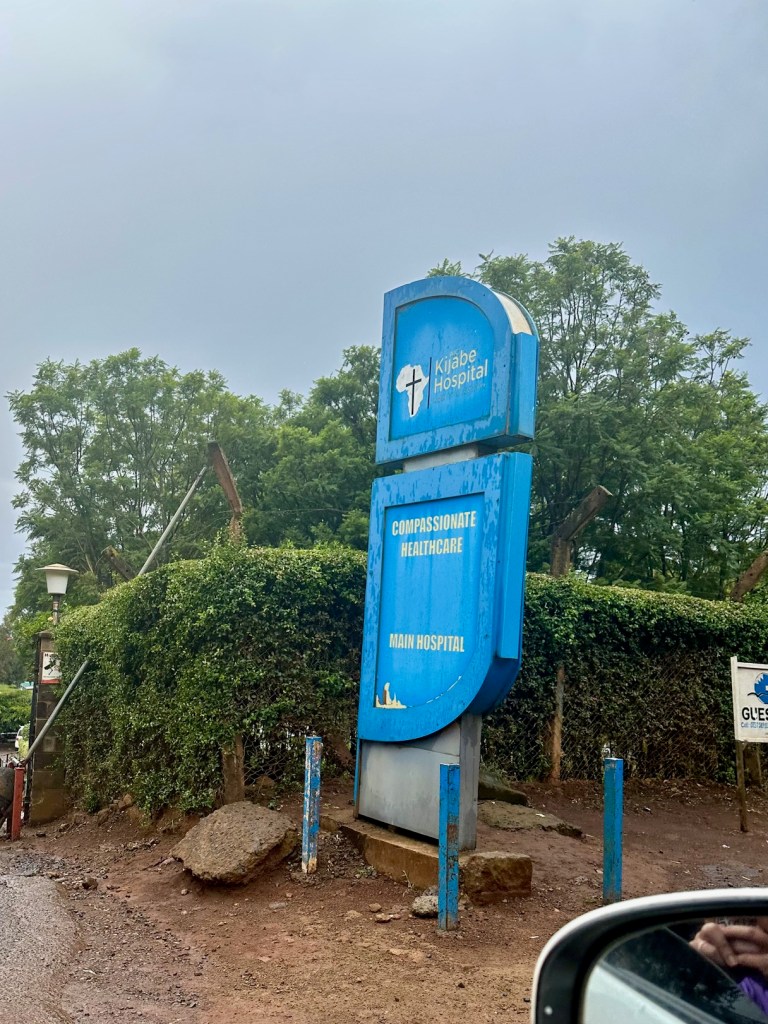
It is Thursday night, and I had hoped to capture a beautiful photo of the sunset, concluding an incredible visit to Kenya. Unfortunately, the rain derailed this plan, as it has all week. Despite the rain and mud, my time in Kenya has been remarkable. Although I am new to my job now with a very cool organization called NeuroKids, I am obviously not new to the continent of Africa nor global surgery, and stepping into Kijabe Hospital felt a bit like returning home again.
~
I joined NeuroKids three months ago as the Program Director. If you’re reading this, you’re probably not new to my wandering, as my career has taken me to dozens of countries through decades of service, ever committed to seeing a day when quality healthcare is accessible and affordable regardless of one’s birthplace. I’m so grateful and honored join with NeuroKids as we work together with incredible partners to improve the lives of children with hydrocephalus and spina bifida.
This trip to Kenya was a learning opportunity for me, to meet some of our dedicated staff and partners and experience the work, challenges, and opportunities firsthand. We’re just ramping up our program in Kijabe, a small community about an hour outside of Nairobi just on the edge of the great Rift Valley. Which, as a side note, I never did see thanks to the constant clouds and rain throughout my time there, though I’m told it’s beautiful. I guess I’ll just have to come back to confirm for myself.

In most countries where NeuroKids works we hire a coordinator; usually a nurse or other healthcare worker familiar with the clinical setting who also has an aptitude for data collection and coordination. This individual collects patient information, coordinates patient care, communicates with families, surgeons, and other specialists, and ensures ongoing care if needed. Training these coordinators is usually done remotely, but we seized this opportunity to bring our Senior Program Coordinator who lives in Ethiopia, our Data Manager who lives in Uganda, and myself together to onboard our new coordinator for Kijabe, in-person while testing a new training platform we’ve recently developed. It was also a great opportunity for me to meet Brian and Meski, and get to know the Kijabe Hospital staff and our phenomenal partner organizations BethanyKids and ChildHelp, who have worked tirelessly in this community and elsewhere to support pediatric patients for decades.

~
Over the years, I have spent considerable time in hospitals like Kijabe, and I am always impressed by the staff’s commitment and dedication to providing the best care possible, even in environments where resources such as electricity, critical supplies and equipment, and even salaries are not always reliable. I felt this dedication to patients the moment I stepped into Kijabe Hospital, and even more than that, I felt hope. Hope is something many of these patients don’t have, in the midst of scary diagnoses and surgeries and uncertainty. But it’s what we all have to offer; though surgery and care, these children and their families can have hope for a brighter future.
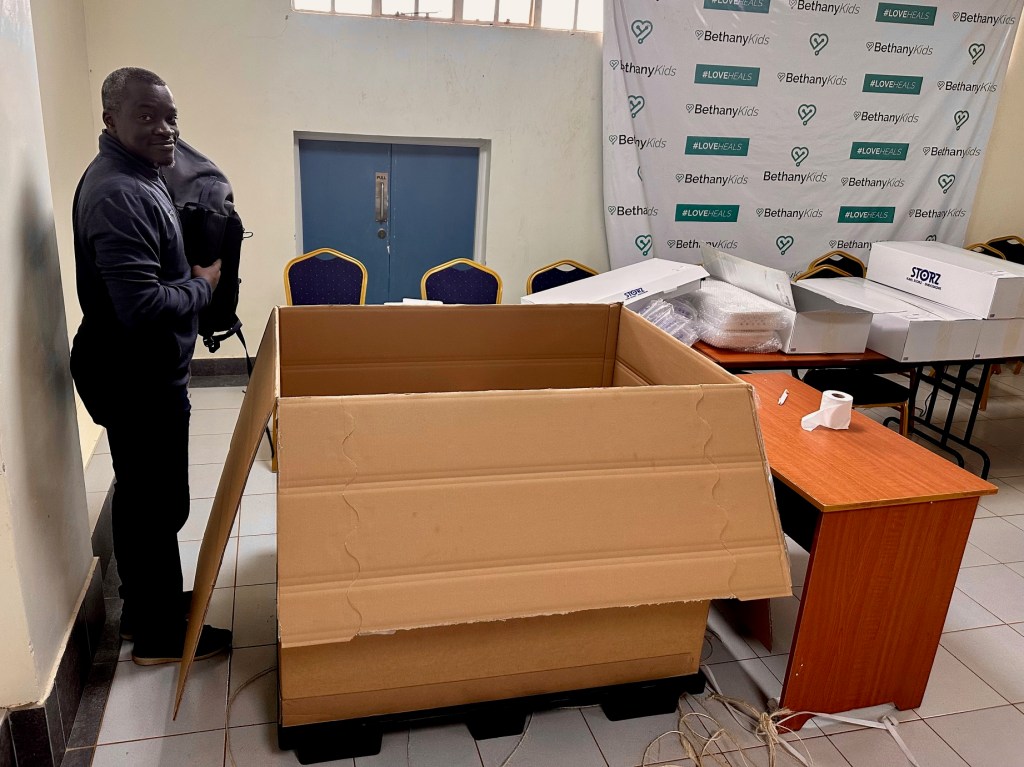
The days were busy; the team was diligent as they effectively condensed weeks of learning into hours, along with organizing medical equipment in preparation for upcoming surgeon training. I learned a great deal about how the programs function, and we brainstormed ways to make them even more efficient and effective. We also shared much laughter, enjoyed the warm hospitality of our Kenyan colleagues, and introduced some of our staff to tacos for the first time.
Relationships are paramount, particularly in this context. Throughout my career in international development, I have attended numerous meetings emphasizing the importance of building relationships before work can commence, which is not often the American way. During my time as a Peace Corps Volunteer in Benin, my first intercultural working experience, I was advised by another volunteer that the only way to be taken seriously by community supporters is to share a beverage under a mango tree first. This has proven true repeatedly in my fifteen-plus years of international development work. While the context varies, the essence remains the same: relationship precedes work. I am grateful to have had this time in Kijabe to connect with the exceptional people at BethanyKids, ChildHelp, Kijabe Hospital, and our own NeuroKids staff.
As I prepare to leave, I am filled with gratitude for these individuals and experiences and the shared dream of supporting children with hydrocephalus and spina bifida in leading long, full, joyous, hope-filled lives. It is an honor to be part of this endeavor. I look forward to returning, and hopefully viewing the elusive Rift Valley and sunset in Kenya.


 Let us begin